
Key Factors Influencing Housing Affordability in Ethiopia’s Real Estate Market
Housing affordability is a critical concern in Ethiopia as urban populations continue to grow and demand for quality residential properties rises. Real estate in Ethiopia is experiencing significant transformation, driven by economic, social, and infrastructural factors. Companies like Temer Properties are at the forefront, addressing these challenges by promoting affordable housing solutions while maintaining quality and sustainability.
1. Rapid Urbanization and Population Growth
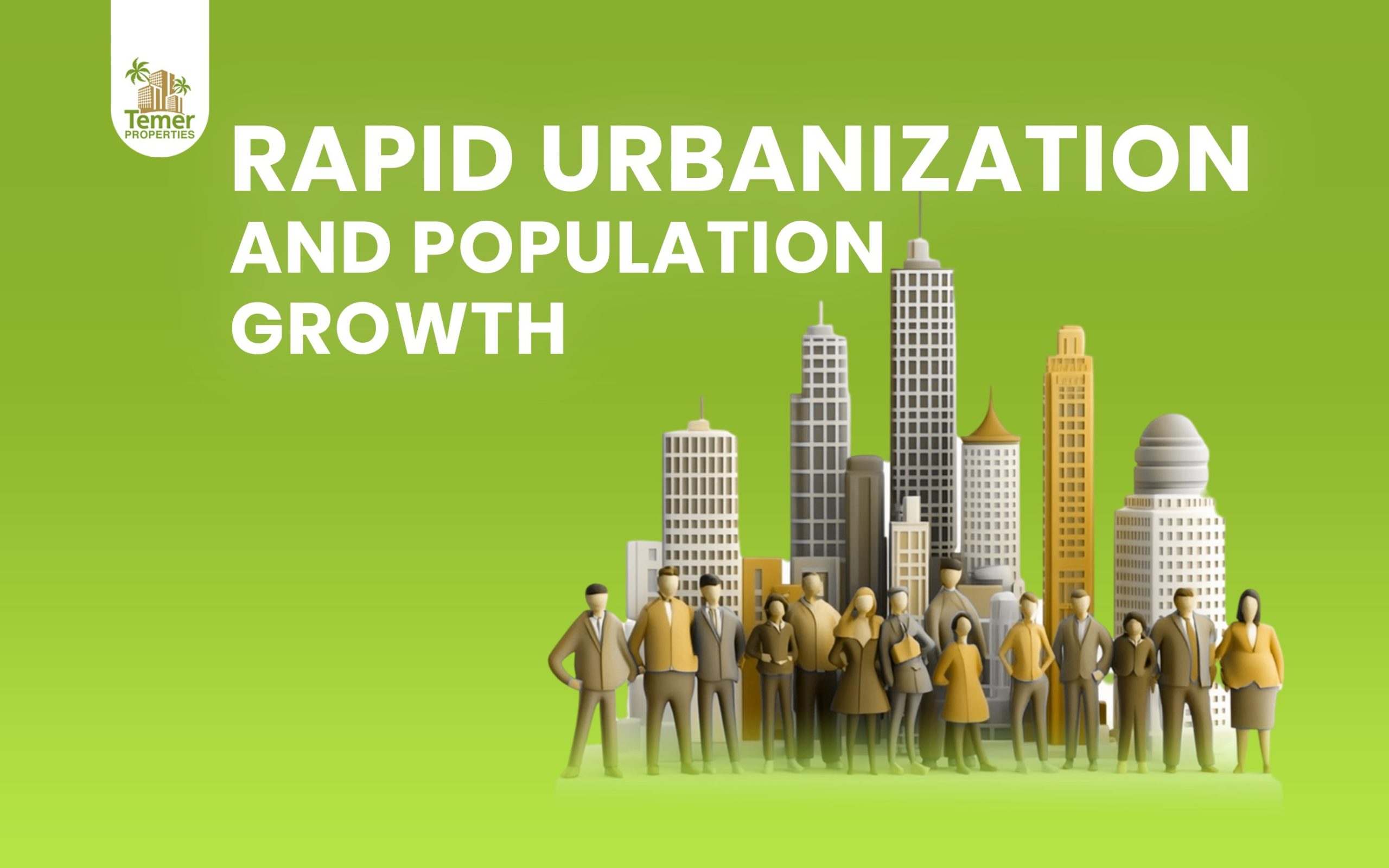
Urban centers such as Addis Ababa, Mekelle, and Dire Dawa are expanding at unprecedented rates. This rapid urbanization increases the demand for housing, often outpacing the available supply. As a result, property prices rise, affecting affordability for average-income families. Temer Properties recognizes this challenge and strategically develops residential projects in emerging neighborhoods to offer accessible housing solutions.
2. Economic Factors and Financing
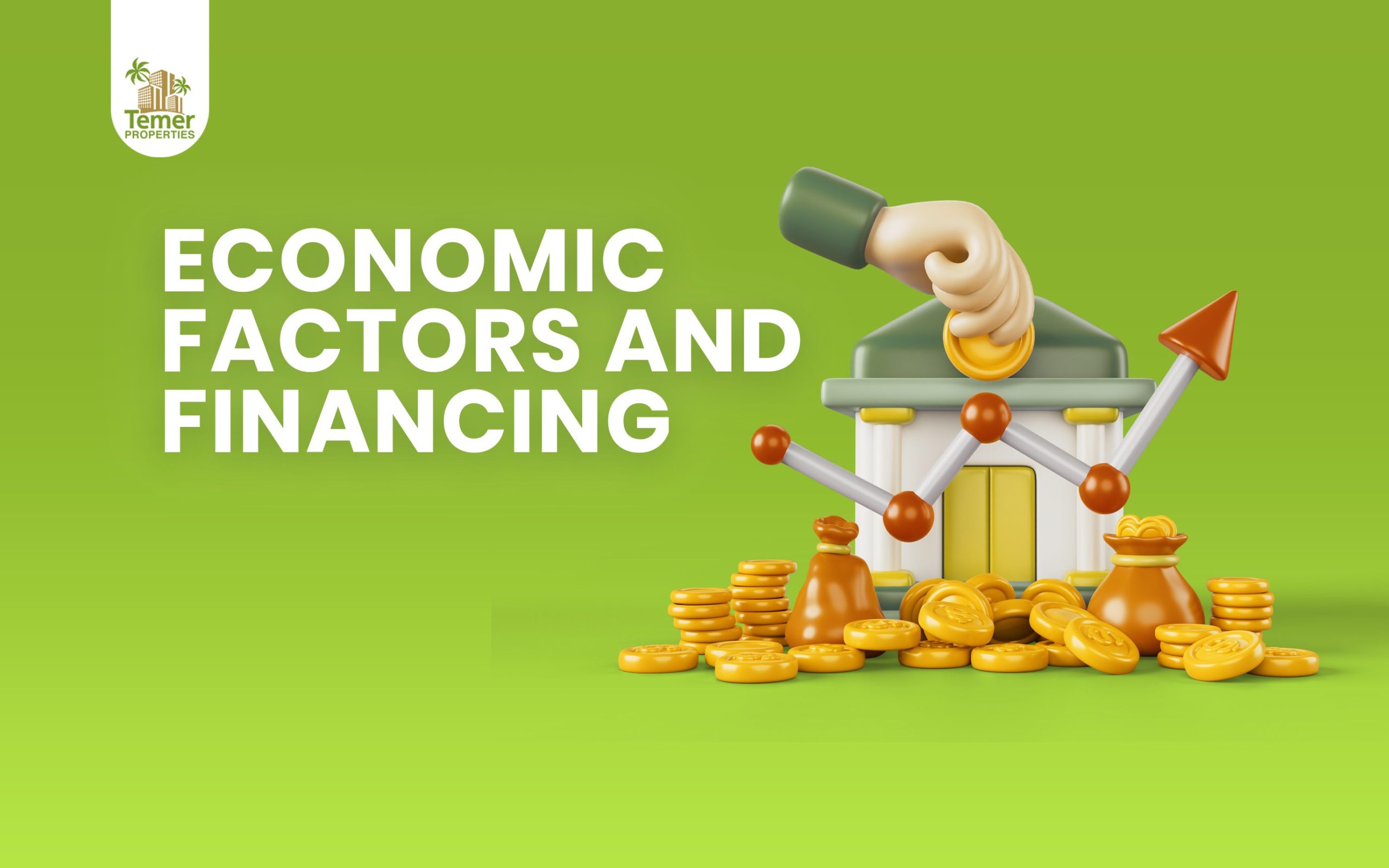
Economic stability directly influences housing affordability. Rising inflation, fluctuating interest rates, and limited access to home financing can make it difficult for families to secure homes.
3. Land Availability and Government Policies
Land scarcity in urban areas and regulatory policies significantly affect housing costs. Zoning laws, property taxes, and land acquisition processes can either facilitate or hinder the development of affordable housing. By integrating these insights, Temer Properties works closely with local authorities to identify suitable land for affordable residential projects, ensuring compliance while addressing housing needs.
4. Construction Costs and Sustainable Practices
The cost of construction materials, labor, and project management can heavily impact property prices. Global supply chain challenges sometimes exacerbate these costs. Temer Properties emphasizes efficient construction practices and sustainable materials, which not only reduce costs but also ensure long-term affordability for homeowners.
5. Infrastructure and Community Development
Housing in well-connected areas with access to schools, healthcare, and commercial hubs is often more expensive. Temer Properties prioritizes projects in areas with developing infrastructure, creating vibrant communities that remain affordable without compromising convenience or quality of life.
6. Commitment to Affordable Housing

Affordability goes beyond pricing—it’s about creating inclusive communities where families can thrive. Temer Properties has been recognized for its dedication to affordable housing initiatives, earning awards for its innovative projects that balance cost, quality, and accessibility. This recognition underscores the company’s role in shaping Ethiopia’s real estate market responsibly.
7. Socio-Cultural Considerations

Understanding local housing preferences is key. Multi-generational living, cultural values, and lifestyle expectations influence demand. Temer Properties incorporates these socio-cultural factors into its design and planning, ensuring homes meet the needs of diverse families while remaining affordable.
Conclusion
The affordability of housing in Ethiopia is influenced by urbanization, economic conditions, land availability, construction costs, and socio-cultural factors. Companies like Temer Properties play a crucial role in addressing these challenges by offering innovative, sustainable, and affordable housing solutions. Their commitment to quality and inclusivity not only supports Ethiopia’s growing population but also strengthens the integrity of the real estate in Ethiopia sector.
For individuals and investors looking to understand the dynamics of the Ethiopian housing market, recognizing these factors—and the role of responsible developers like Temer Properties—is essential for navigating this evolving landscape.